Category Archives: Film

Movie reviews: ‘Bridget Jones’s Baby’ booms, ‘Blair Witch’ busts

Universal Pictures 2

“Bridget Jones’s Baby” (R) 3 1/2 stars (out of four)

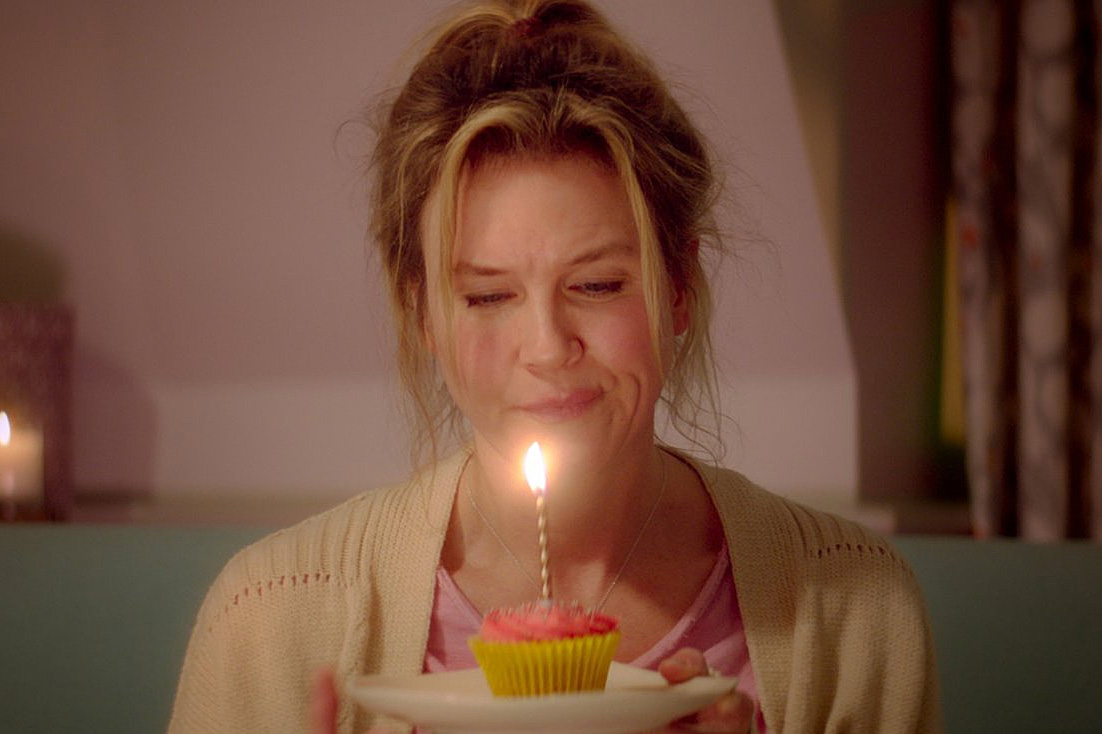
A stellar cast and clever writing makes for a bountiful arrival with “Bridget Jones’s Baby,” the third and presumably final chapter of the “Bridget Jones” movie trilogy. Beginning in 2001 with “Bridget Jones’s Diary” and continuing in 2004 with “Bridget Jones: The Edge of Reason,” the third trimester finds Bridget (Renee Zellweger) on her 43rd birthday, still single and very alone.

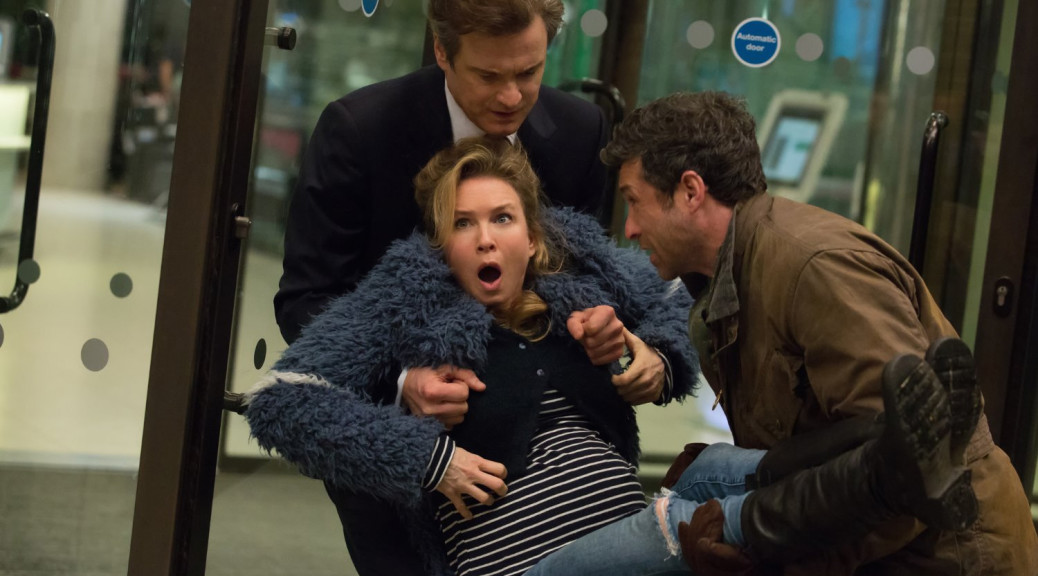
Convinced by a co-worker that she needs to sexually liberate herself, Bridget first sleeps with a handsome American online love guru Jack (Patrick Dempsey) at a weekend music festival, only to fall into the arms, once again, of Mr. Darcy (Colin Firth) one week later. Despite using what she thought was protection, Bridget finds out she is pregnant, but doesn’t know by which man. First trying to covertly discover which man is the father, Bridget eventually confesses what’s up to Jack and Darcy, who, without any idea who the father is, both vie for her love.

Follow Tim Lammers on Twitter and Facebook

Fans of the “Bridget Jones” series will no doubt love “Bridget Jones’s Baby,” while those new to the trials and tribulations of Bridget will be filled in with flashbacks of Bridget and Darcy so the narrative makes sense. Hugh Grant’s Daniel Cleaver was written out of the new film, but in a creative sort of way that he remains in spirit. Jim Broadbent, Gemma Jones and Emma Thompson are wonderful in their key supporting roles.
Tim Burton Book 2
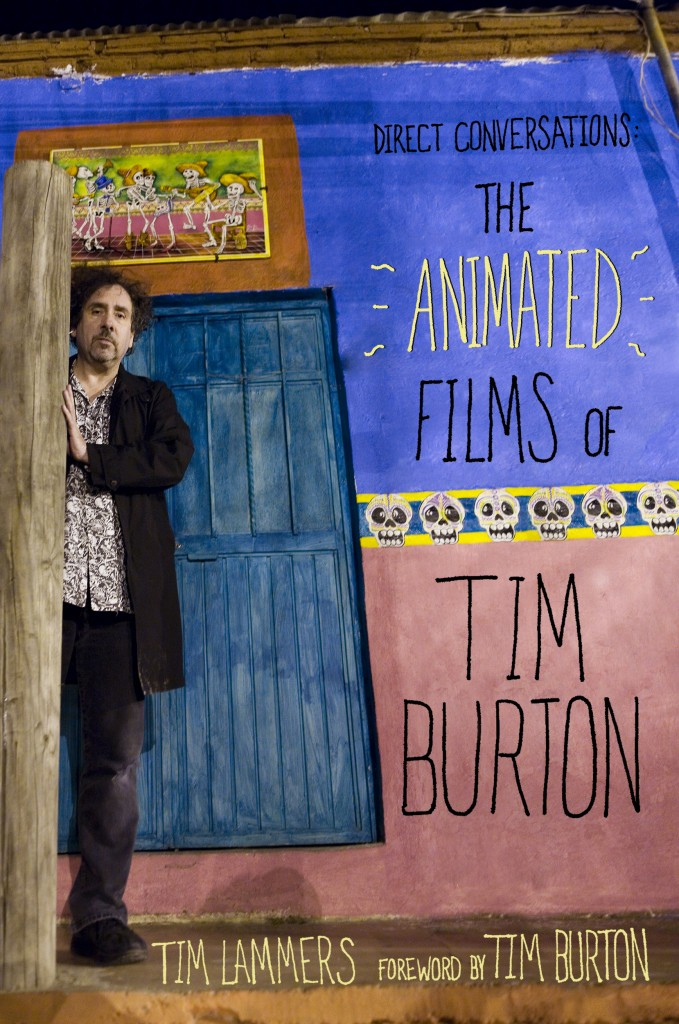
Click book cover for info on how to buy!

“Blair Witch” (R) 1 star (out of four)

The more things change the more they remain the same with “Blair Witch,” the second sequel to the micro-budget indie-turned-blockbuster hit “The Blair Witch Project” from 1999. Another “found footage” movie, the only difference between “Blair Witch” and the original film is that the footage is culled from memory cards this time around instead of videotape. Otherwise, the set-up and execution is exactly the same (and no doubt bloodier and more violent).

Convinced by YouTube footage that includes a glimpse of a woman he believes is his sister, Heather Donohue (the woman in “The Blair Witch Project”),  James (James Allen McCune) assembles a small crew of friends to venture out into the desolate woods of Burkittsville, Maryland, to find her.

Hear Tim’s reviews of the films on “The KQ Morning Show” with Tom Barnard and Michele Tafoya, starting 13 minutes in.

Well aware of the legend of the Blair Witch, James — accompanied by the couple who discovered the YouTube footage – and his crew, document the search with GoPro-like cameras and a drone, telling the tale, essentially, from their point-of-view. Their first night in the woods, the search party begins to hear strange noises and eventually, screams, which escalates into a violent night of terror at the house shown at the conclusion of “The Blair Witch Project.”

Trudging through the footsteps of the first movie, “Blair Witch” was no doubt an ill-advised film project, because essentially, it’s a remake of the 1999 original. Mercifully short at 89 minutes, “Blair Witch” is proliferated by shaky cam movements from beginning to end, even though there are no real scares to be had for the first 50 minutes.

The sad thing is, once the terror begins and the crew takes flight through the woods, the action and camera movements  are so manic that it’s hard to tell just what exactly is going on. Covertly filmed under a different title and surprisingly revealed at this summer’s San Diego Comic Con, “Blair Witch” should have remained a buried secret.
Movie review: Eastwood, Hanks soar with ‘Sully’

Warner Bros.

“Sully” (PG-13) 3 1/2 stars (out of 4)

Clint Eastwood masterfully tells the story of the “Miracle on the Hudson” and it’s surprising aftermath in “Sully,” a compelling drama  that chronicles the events surrounding Captain Chesley “Sully” Sullenberger’s daring and unprecedented landing of an A320 airbus on the Hudson River in New York City on Jan. 15, 2009.

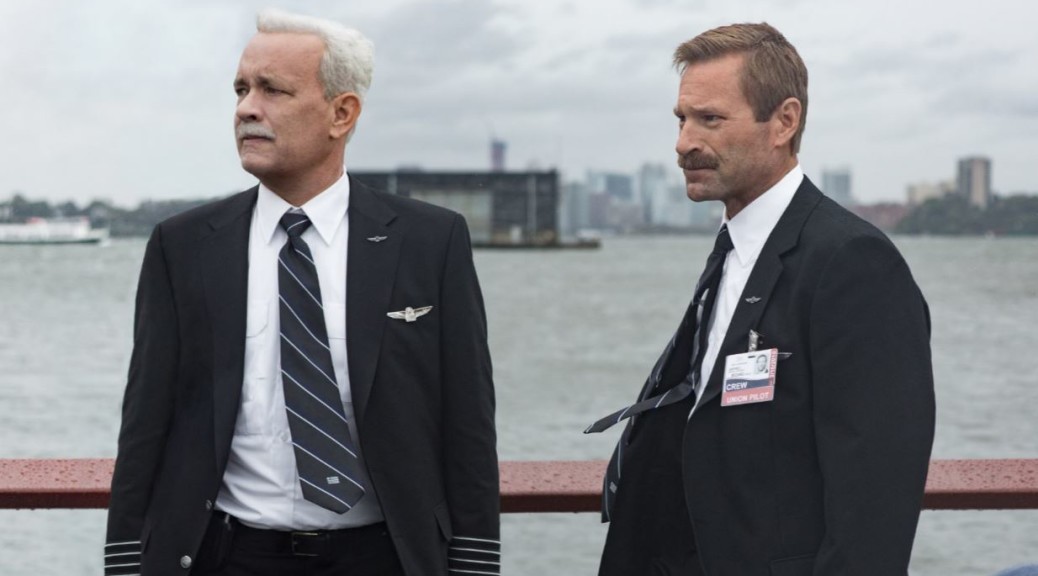
“Sully,” naturally, documents in detail the events of U.S. Airways Flight 1549 on that fateful day in 2009, when shortly after takeoff Sully (Tom Hanks) and First Officer Jeff Skiles (Aaron Eckhart) a bird strike renders both engines in their jet useless. With no engine thrust to commandeer the plane back to its point of origin at LaGuardia Airport or make an emergency landing at Teterboro Airport in New Jersey, Sully makes the quick determination that landing on the Hudson River is the best if not only option.

People, of course, got to know Sully through his many appearances in the media following the miracle landing, which saved all 155 passengers and crew on board. Lost in whirlwind of press, however,  was the National Transportation Safety Board’s investigation into the incident that threatened to end the careers of Sully and his first officer on the flight.

Interview: Aaron Eckhart talks “Sully”

Though hailed as heroes by the general public, the NTSB’s reaction is quite different, as its  computer analyses and flight simulations suggested that Sully and Skiles could flown the plane back at La Guardia Airport or at the very least, could have landed at Teterboro. Even more damning, the NTSB claimed that at least part of the left engine on the plane was functional and would given the A320 with enough thrust to land at either airport.

Follow Tim Lammers on Twitter and Facebook

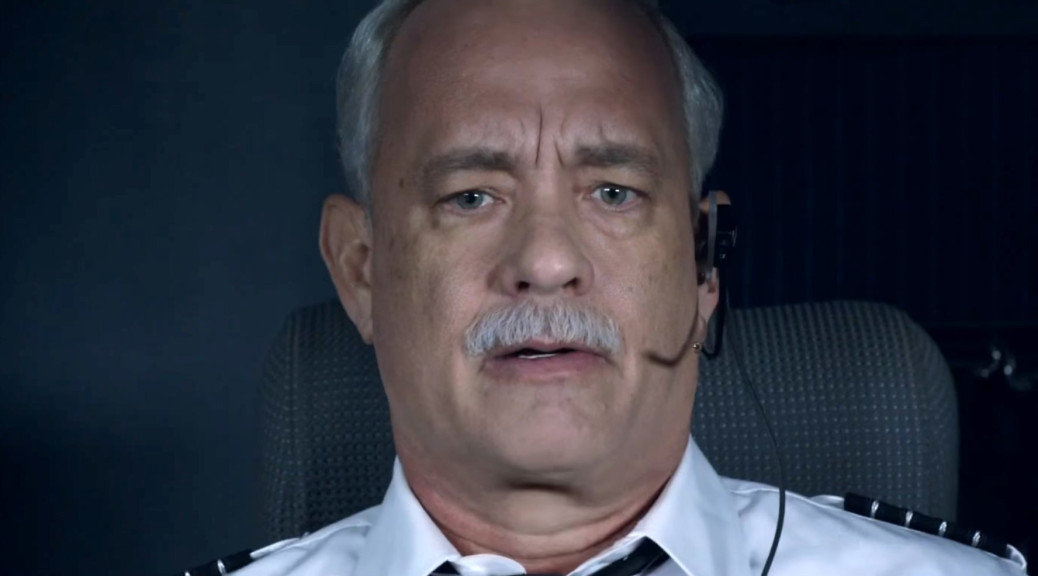
Hanks, whose career has been defined by good guy roles, is perfectly suited to play the hero in “Sully,” as he nails the quite demeanor and humility of the famed pilot who maintains a respect for the NTSB despite its intense scrutiny of the events surround the splash landing.


Listen to Tim’s review of “Sully” with Tom Barnard, Michele Tafoya and the KQ92 Morning Show crew at 13:30 in.

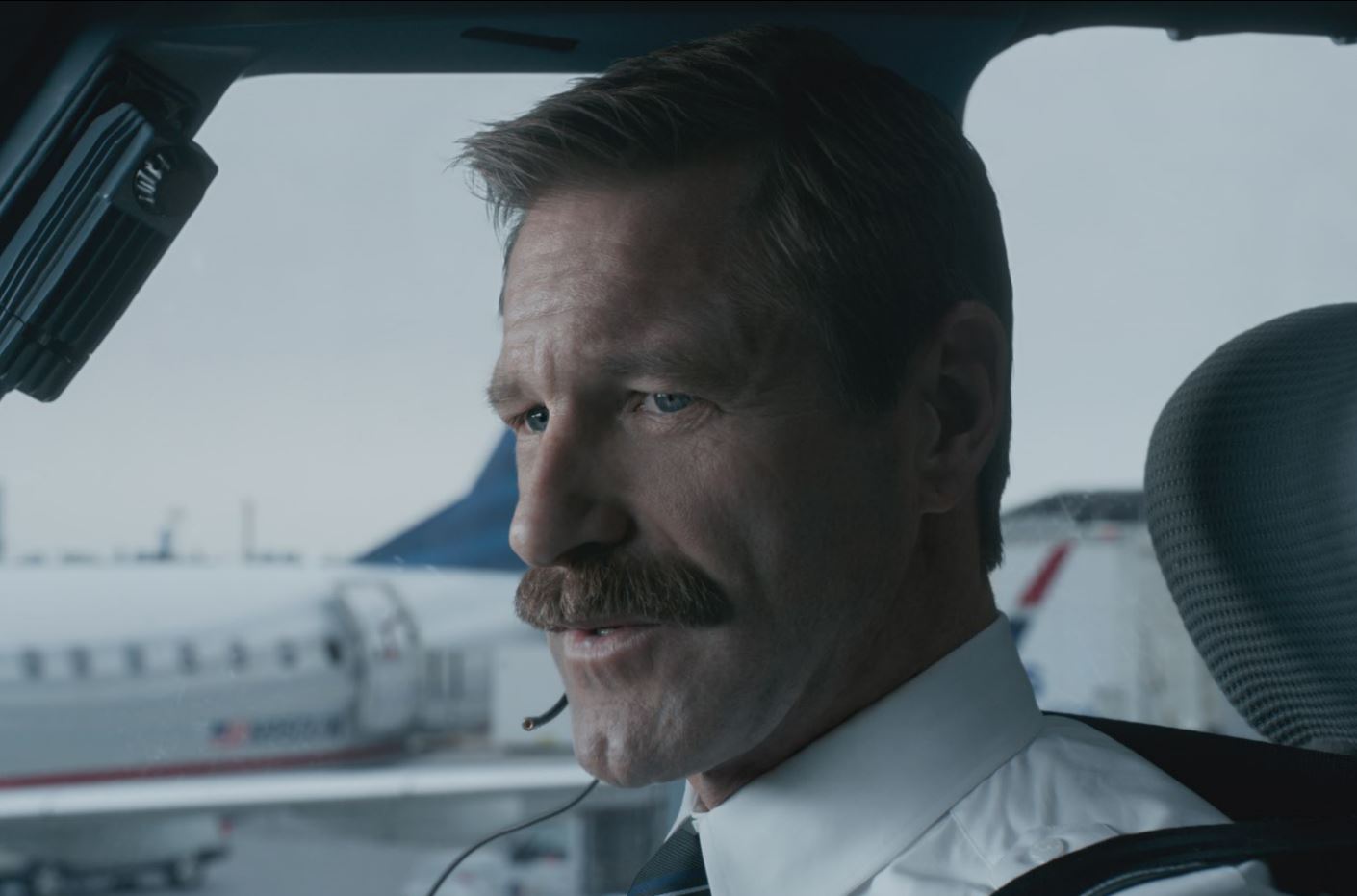
Eckhart is also terrific as Skiles, giving a face and voice to the pilot who, despite being relegated to the background as Sully captured most of the media’s attention, played a pivotal role in the landing of the plane on the Hudson. Laura Linney also gives a memorable performance in a supporting role as Sully’s wife and voice of reason as the pilot begins to question his actions in the face of adversity.

Eastwood, however, is the true star of “Sully.” He recreates the crippled Flight 1549 with gripping suspense (amazing, considering we all know the outcome), and his subtle direction defines the inspirational tone of the film, which ultimately gives it its emotional lift. Also chronicling the work of the first responders (many people from the real event recreated their roles for the film), “Sully” displays the work of everyday people at their finest. Be sure to stick around for the end credits of the film, as Eastwood includes emotional footage that punctuates the 90 minutes that precedes it.

Tim Burton Book 2
Click book cover for info on how to buy!

Interview: Aaron Eckhart says he’s honored to co-pilot ‘Sully’

Warner Bros.Even though he’s trained to fly himself, acclaimed actor Aaron Eckhart said he developed an even greater respect for pilots after co-navigating the true-life drama “Sully.”

The film, which opens in theaters and on IMAX theaters nationwide on Friday, chronicles Captain Chesley “Sully” Sullenberger’s and First Officer Jeff Skiles’ “Miracle on the Hudson” water landing, as well as the jarring aftermath as the pilots’ decision-making during the crisis comes into question.

The thing Eckhart was most impressed with after meeting and consulting with Sullenberger and Skiles — whom he plays in the film — is that despite the miraculous landing, the men look on the 2009 events that ended in the Hudson River in New York City as a responsibility of the job and not an act of heroism.

“Sully and Jeff said, ‘Hey, that’s what we do for our job. We were trained and have 20,000 hours in the air. This is why we have checklists and procedures,” Eckhart said in a recent phone conversation from Los Angeles. “They just think of it as part of their job and don’t look at themselves as heroes. Sully knew because of his work that a plane at this weight is going to glide this far at this air speed and he was looking out for that.”

Having spent time in the cockpit over the years, Eckhart said the pilots’ mindset resonated with him while making the film.

“I pilot a little bit myself, and I know that I need to be looking for alternate routes, highways or waterways in case I have a problem in the air. It’s second nature to these guys,” Eckhart, 48, said. “All the pilots I’ve talked to after making this movie, they all think it’s part of the procedure of being a pilot. It’s their job and they all could have done it.”

Directed by legendary filmmaker Clint Eastwood, “Sully” naturally presents the intense moments in the cockpit and cabin of United Airlines Flight 1549 on Jan. 15, 2009, and the blistering scrutiny Sullenberger (Tom Hanks) and Skiles (Eckhart) faced in front of the National Transportation Safety Board during the investigation into what went wrong with the plane.

From the vantage point of Sullenberger and Skiles, a bird strike took out both engines of the A320 aircraft they were piloting upon takeoff and their only option was a forced water landing on the Hudson River.

But to the NTSB, computer analyses and flight simulations suggested that they could flown the plane back to the point of departure at La Guardia Airport in New York City, or at the very least, could have landed at Teterboro Airport in New Jersey. Further complicating matters, the NTSB claimed during the investigation that at least part of the left engine on the plane was functional, which ultimately would provided the plane with enough thrust to land at either airport.

In addition to the title character, “Sully” shines a light on Skiles and several of the first responders that saved all 155 passengers and crew during the fateful, frigid day on the Hudson in 2009. The interesting thing is, most people associate the “Miracle on the Hudson” with Sullenberger, while the efforts of Skiles — who commandeered the takeoff of Flight 1549 — have largely been left in the background. As little known as Skiles is in comparison to Sullenberger, he is, after all, the person who knows the most about what happened on the flight, as the other pilot in the cockpit.

“Jeff and I talked about this, and he said he realized that there has to be a face to the story — that the media is going to pick out a hero and Sully was that guy,” Eckhart said. “Sully was the captain of the flight and Jeff came to terms with that and receded into the background. They were thrust into the spotlight so aggressively that one had to take that lead role. I don’t know what Jeff’s real feelings are about it, but he and Sully are still good friends today.”

No matter who took the lead, there’s no question, as audiences will discover, that Sullenberger and Skiles were both in the hot seat during the NTSB investigation and eventual hearing by the agency, which illustrated the viability of the alternate scenarios to landing in the Hudson.

Follow Tim Lammers on Twitter and Facebook

And while the treatment of the pilots will appear harsh to audience members — in stark contrast to the media adulation they received in the days and months after the landing — Eckhart said it’s the NTSB’s job to scrutinize, and the pilots, as well as he and Hanks, accept and respect the process as an absolute necessity.

“There was a lot on the line with what they did. You’re talking about a water landing, which in itself is an improbability, and then you’re talking about saving everybody’s lives,” Eckhart observed. “In the hearing, you find out that they could lose their commercial licenses, lose their pensions and lose their reputations. Everybody that has seen the film so far has been maddened by this NTSB hearing, but that’s what it’s there for. It’s the spine of the movie. It’s the drama. People think they know what they’re going to go see, but I think they are going to be pleasantly surprised that they’re going to see so much more.”

In the end, Eckhart added, “One hundred percent, Sully did not see the NTSB as adversarial. He said they’re doing their job. They’re a necessary part of keeping us safe.”

Tim Burton Book 2
Click book cover for info on how to buy!

Summer at the movies 2016: The best and worst

CBS Films/LionsgateBy Tim Lammers

There’s no better way of putting it: Most of this summer’s movie offerings were pitiful. Loaded once again with sequels, remakes and reboots, the obvious lack of originality this summer movie season seemed to finally affect the box office, which at one point, was more than 22 percent down from last summer.

This summer yielded a slew of decent films, a few obvious winners and some huge disappointments. Here’s a look at the best and worst films to hit the big screen since summer movie kicked off in May.

  1. “The Conjuring 2″/”Don’t Breathe” (tie)

Horror movies usually do well at the box  office, usually due to low budgets and normally large enough turnouts over opening weekend to make back their production budgets. Often, though, low budgets equate to cheap thrills, and “The Conjuring 2” and “Don’t Breathe” defied convention. Yes, the films have their fair share of quick scares to make jump, but layered within were actual stories and the novel approach by directors James Wan (“The Conjuring 2”) and Fede Alvarez (“Don’t Breathe”) to allow intensity to build towards suspenseful and exciting conclusions. If the studios are smart, they’ll rush these out on video in time for Halloween viewing.

  1. “Kubo and the Two Strings”/”Finding Dory” (tie)

The animation genre provided the most steady returns this summer, and the Laika stop-motion wonder “Kubo and the Two Strings” and Pixar’s long-awaited “Finding Dory” were easily the two best. The key to the success of both films is that they respected the intelligence of kid audiences and equally entertained adults audiences with smart scripts, loads of excitement, lots of humor (especially in “Dory”) and healthy doses of emotion (“Kubo”). The two films are shoo-ins for Best Animated Feature Oscars.

Tim Burton Book 2
Click book cover for info on how to buy!
  1. “The BFG”

It’s odd that one of Steven Spielberg’s most magical films in years turned out to be one of his biggest box office disappointments. Sadly, Spielberg was the only marquee asset available to market the film, a live-action/motion capture animation hybrid that delightfully brings late author Roald Dahl’s enchanting tale to life. Fresh off his Oscar win for Spielberg’s “Bridge of Spies,” Mark Rylance is brilliant in his motion capture performance of a big, friendly giant (hence, the BFG), who teams with an orphan girl (Ruby Barnhill) in a ploy to prevent his fellow not-so-friendly giants from wreaking havoc with the children of London. The film features a bittersweet reteaming Spielberg and his “E.T. the Extraterrestrial” screenwriter Melissa  Mathison, who died before filming was complete.

  1. “Captain America: Civil War”

The third and easily the best film in the “Captain America” movie arc, “Civil War” is arguably one of the best in the entire “Avengers” saga. Expertly directed once again by brother Joe and Anthony Russo, “Civil War” boasts a brilliant mix of action, emotion and effective storytelling that’s not undermined by the film’s thrilling visual effects. Grounded in real-world storytelling that infuses contemporary issues, the film pits Captain America (Chris Evans) against Iron Man (Robert Downey Jr.) – who are at odds over an international accord that would impose government oversight on the Avengers’ actions. Unlike the two “Avengers” film chapters, the film doesn’t feel overstuffed with superheroes, even though one massive, entertaining scene features 12 of Marvel’s greatest characters. It’s easily the best traditional superhero movie of the year (“Deadpool” gets its own designation since it’s anything but traditional).

  1. “Hell or High Water”

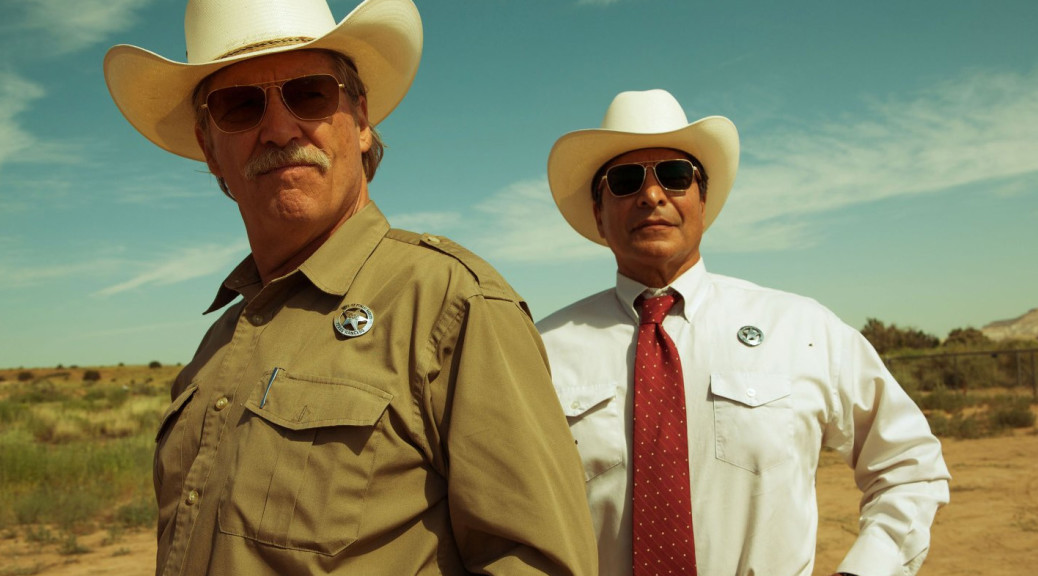
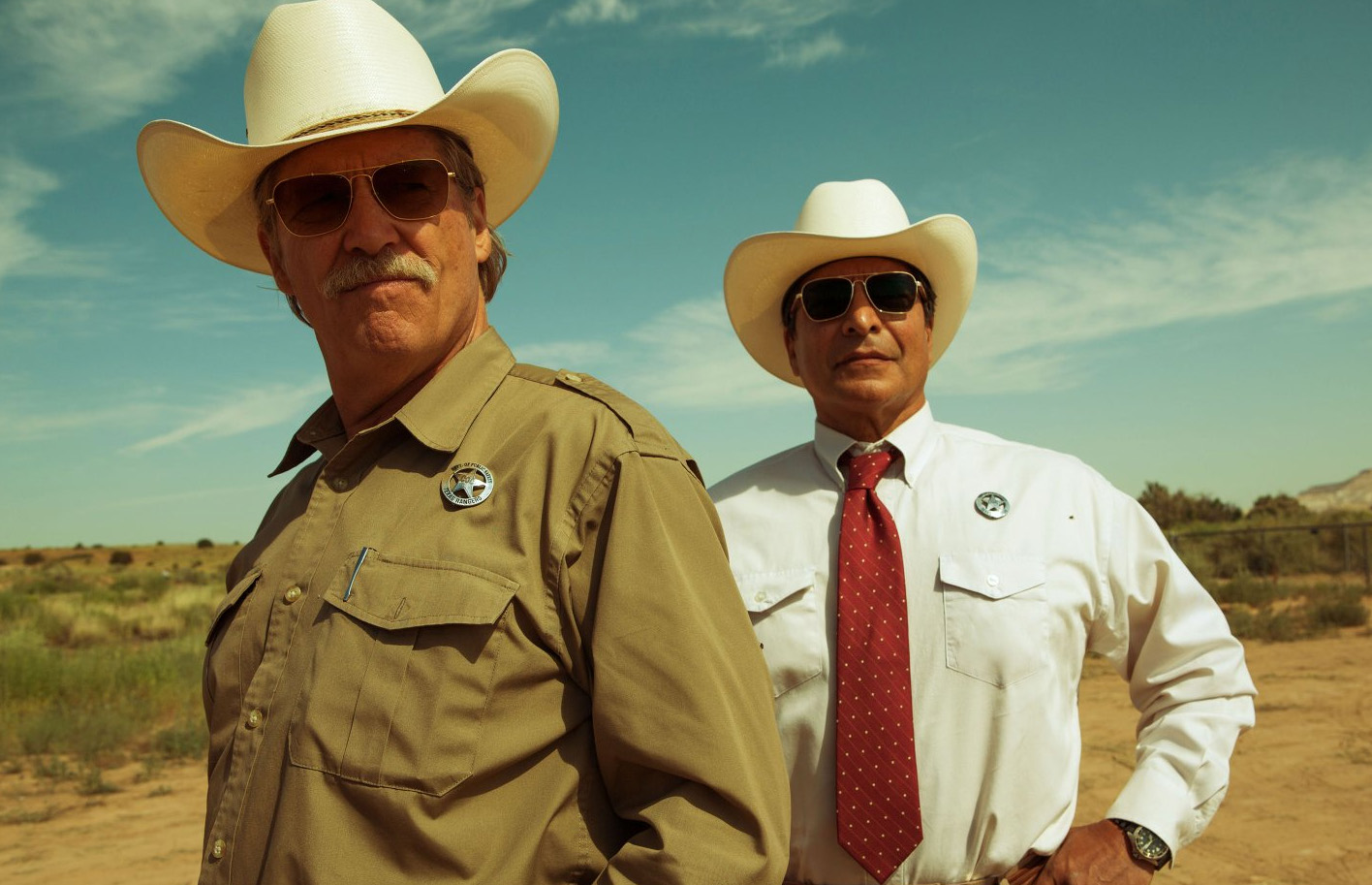
The biggest mystery behind this brooding crime thriller was the decision to release it in early August when it clearly would have been better served in the fall during awards season. The bank robber thriller feels fresh and exciting with some unique plot twists, and the “Heat”-like narrative is expertly constructed through the taut direction of David Mackenzie complimented by the flawless acting of Jeff Bridges, Chris Pine and Ben Foster aids “Hell or High Water” as moves  toward its thrilling (and unpredictable) final showdown. The film, which refreshingly isn’t afraid to be politically incorrect (a rarity these days) is not only the best films of the summer, but one of the best films of the year.

And … the worst

Three films vie for this dishonor, although there are several more that could have easily been included. The ill-conceived “Warcraft” made the disastrous assumption that everybody was familiar with the plot of the blockbuster game series, and the confusing plot only compounded the pain of watching archaic-looking special effects; “X-Men: Apocalypse” was more disappointing than bad, mainly because there were so many expectations after “X-Men: Days of Future Past,” which was arguably the best film in the “X-Men” film series.

20th Century Fox

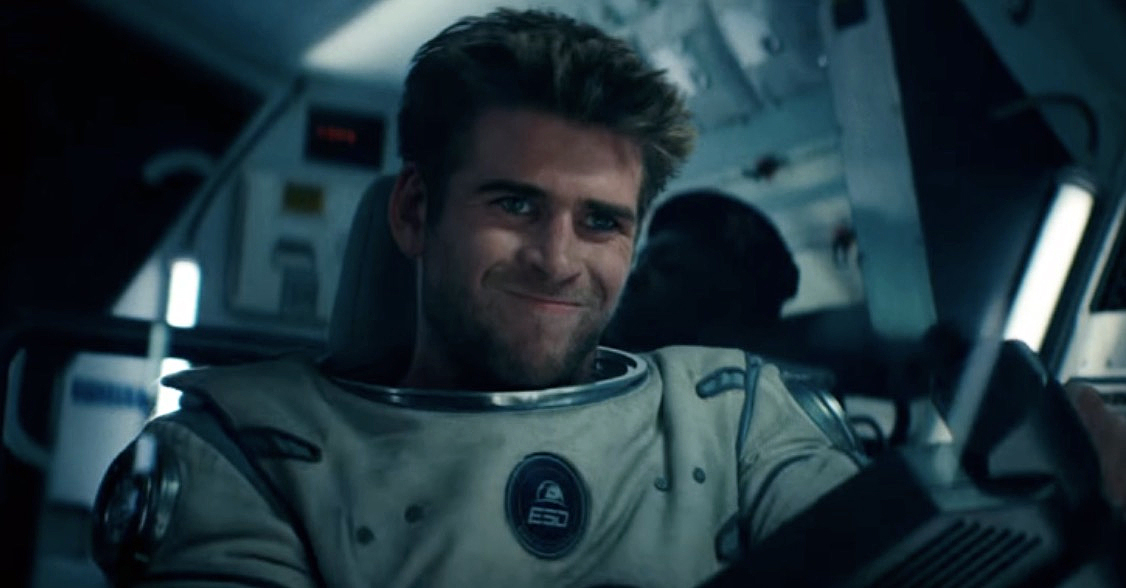
The worst movie the summer, hands down, was “Independence Day: Resurgence,” an embarrassing follow-up to the blockbuster “Independence Day” from 1996. The dialogue is horrible (“Let’s kick some alien ass!”), the acting is B-movie laughable and talented actors like Jeff Goldblum and Brent Spiner are completely wasted (Will Smith smartly declined to be in the film). Writer-director Roland Emmerich had 20 years to make this film and this is the best he could come up with? “Independence Day: Resurgence” is summer movie formula crap at its very worst.